The day trading blog
Kevin Cabana writes about small-cap momentum day trading: the setups he trades, the risk rules he follows and what happens in the live room each morning.
Free for 7 days, then $197 a month. Cancel anytime.
Education only, not investment advice. Trading involves substantial risk of loss.
Latest articles
New guides, setups and trade breakdowns from Kevin Cabana, newest first.
September
2026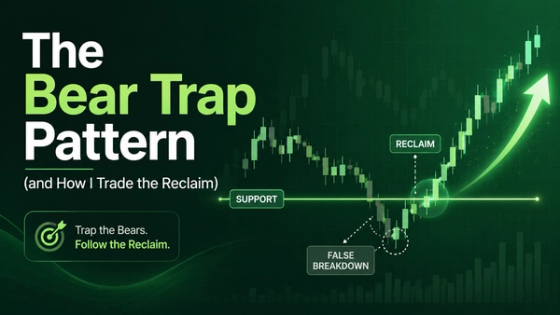
The Bear Trap Pattern (and How I Trade the Reclaim)
A bear trap is a false breakdown that tricks traders into shorting before price reverses up and squeezes them. How to spot one, how to avoid getting caught, and how Kevin Cabana trades the reclaim.
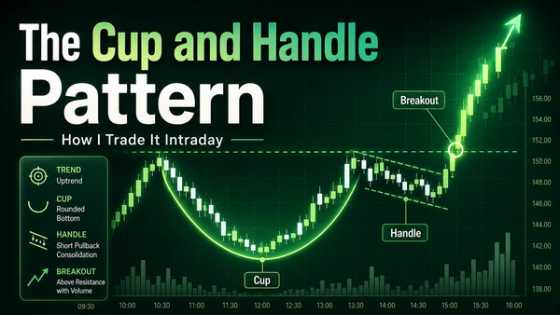
The Cup and Handle Pattern (and How I Trade It Intraday)
The cup and handle is a bullish continuation pattern: a rounded cup, a shallow handle, and a breakout on volume. The rules, the target, and how Kevin Cabana trades it intraday.
Day Trading Futures for Beginners: An Honest Guide (2026)
An honest beginner's guide to day trading futures: the no-PDT-rule draw, micro contracts (/MES, /MNQ), how much you really need, a simple approach, and the real risks.
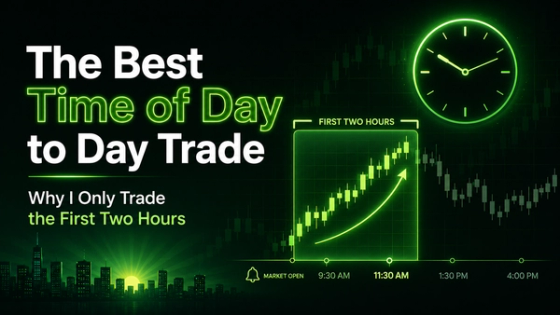
The Best Time of Day to Day Trade (Why I Only Trade the First Two Hours)
The best time to day trade stocks is right after the 9:30 ET open. Kev explains the two windows to watch, the midday lull to skip, and why he stops at 11am.
Kev’s watchlist lands the night before
The articles explain the method. The room puts it to work: the nightly watchlist lands at 5 PM ET with the levels Kev cares about, then he trades the open live from 8 to 11 AM ET.
Free for 7 days, then $197 a month. Cancel anytime.
An example morning in the room. Illustrative, not a record of a real trade.
August
2026
The Momentum Method: How I Actually Trade
Kevin Cabana's real day-trading method: one market, the first two hours, VWAP and moving averages, tight-risk entries, scaling out, and the psychology that ends most traders.
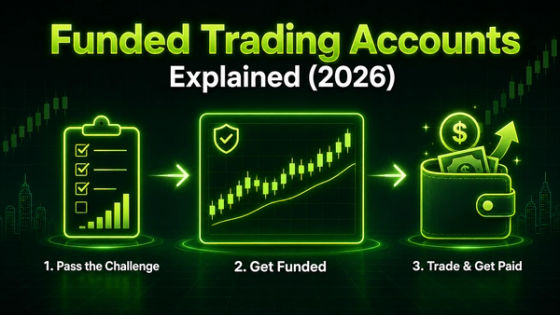
Funded Trading Accounts Explained (2026)
How funded trading accounts work, what they really cost, and whether they are worth it — a plain-English 2026 guide to prop firm evaluations and payouts.
Best Prop Firms for Day Traders (2026)
Best prop firms for day traders in 2026 — honest picks for futures and stocks, the rules that actually matter, and why you need the skill before the funding.
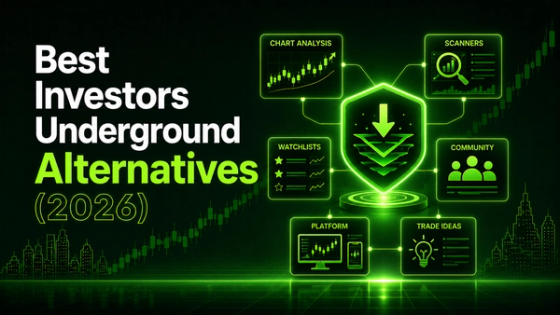
Best Investors Underground Alternatives (2026)
Looking for an Investors Underground alternative? Honest picks for lower-cost, live day-trading education, and why cost and fit drive the search.
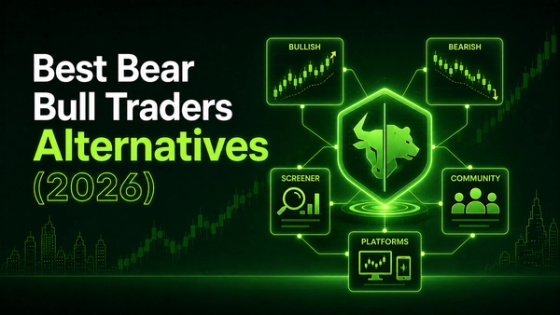
Best Bear Bull Traders Alternatives (2026)
Looking for a Bear Bull Traders alternative? Honest picks by cost, focus, and funded-account options, plus who each one actually suits.

Best Warrior Trading Alternatives (2026)
Looking for a Warrior Trading alternative? Honest picks for the scanner and for live day-trading education, plus why cost and the 2022 FTC action drive the search.
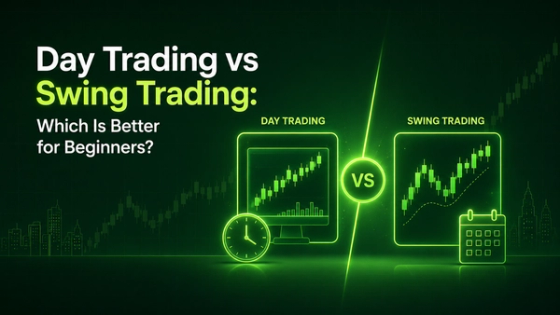
Day Trading vs Swing Trading: Which Is Better for Beginners in 2026?
Swing trading is the gentler start for most beginners. See how the two styles compare on time, the 2026 capital rules, risk and tax, with a hypothetical week of each and the research on trader losses.
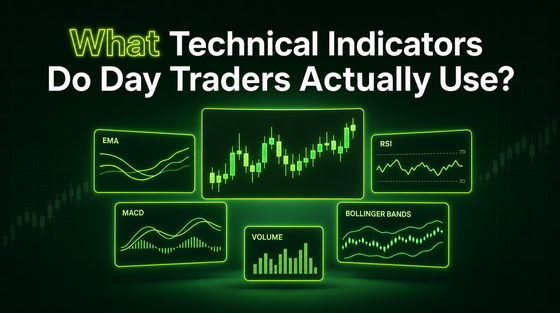
What Technical Indicators Do Day Traders Actually Use?
The short list of indicators day traders actually rely on, the ones I skip, and why your rules matter more than any indicator. No hype.
Page 5 of 15 · 179 articles
Every column on the scanner is a term in the glossary. Gap, relative volume and float, read the way Kev reads them at the open.
An example morning in the room. Illustrative, not a record of a real trade.
The words on the scanner, in plain English
A plain-English day trading glossary: moving average, VWAP, relative volume, Level 2, order types, float, short interest, hard-to-borrow, gap up, and penny stocks, each with a full guide and a trader's take.
- Gap upA gap up is when a stock opens above the prior day's close.
- Relative volumeRVOLRelative volume (RVOL) compares a stock's volume today to its usual volume.
- Level 2Level 2 is the order book, showing the buy and sell orders stacked at each price beyond the best bid and ask.
- Hard to borrowHTBA hard-to-borrow (HTB) stock is one a broker struggles to source shares of for short sellers.
- Penny stocksPenny stocks are low-priced shares of small companies, usually under $5.
- Margin tradingMargin trading means borrowing from your broker to buy more stock, using your account as collateral.
Your first week
in the room is free
The live stream, the watchlists, the scanner and the journal, with Kev at the open every morning.
Free for 7 days, then $197 a month. Cancel anytime.
An example morning in the room. Illustrative, not a record of a real trade.