The day trading blog
Kevin Cabana writes about small-cap momentum day trading: the setups he trades, the risk rules he follows and what happens in the live room each morning.
Free for 7 days, then $197 a month. Cancel anytime.
Education only, not investment advice. Trading involves substantial risk of loss.
Latest articles
New guides, setups and trade breakdowns from Kevin Cabana, newest first.
March
2026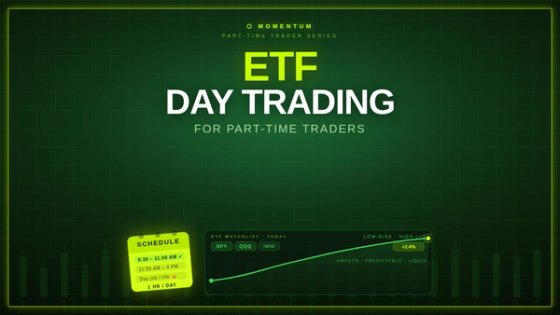
Day Trading ETFs Part-Time: A SPY, QQQ and IWM Plan
Day trading ETFs part-time: what the issuers publish about SPY, QQQ and IWM, which window to pick, a worked SPY stop and size, and the SEC's leveraged ETF warning.
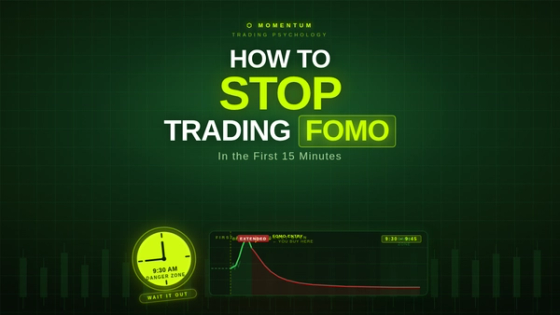
How to Trade the First 15 Minutes of the Market Open (Without FOMO)
How I trade the first 15 minutes of the market open: a 10-minute premarket routine, a minute-by-minute playbook from 9:30 to 9:45, the anti-FOMO rules that stop the chase, and when to skip the open entirely.
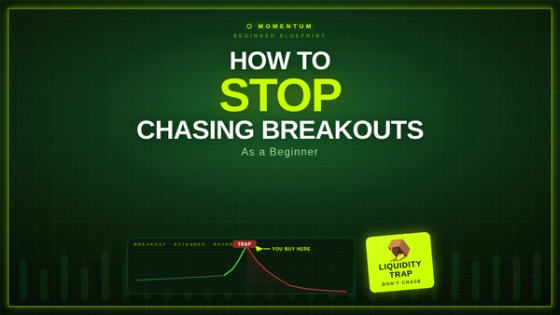
How to Stop Chasing Breakouts as a Beginner: 3 Entries That Wait
Chasing a breakout puts your stop far below your fill. Here are three entries that wait instead (the retest, the first pullback and the confirmed opening range breakout) with real trades from my recaps.
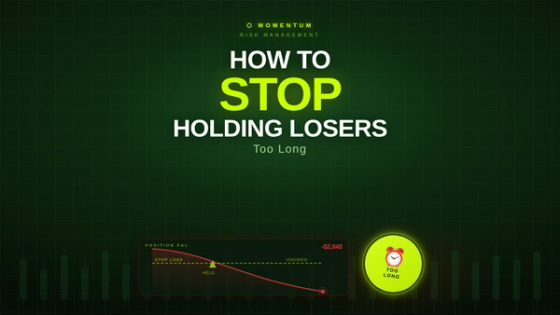
How to Stop Holding Losers Too Long
Holding losers too long is a psychological problem, not a discipline problem. Loss aversion triggers a survival response that makes a small, manageable loss feel catastrophic, causing you to freeze instead of exit.
Power Hour Trading: 3–4 PM Strategy for Day Traders
What power hour is in the stock market, why volume jumps from 3 to 4 PM ET, which setups work in the last hour, and how to avoid giving back your gains.

Emotional Trading: How to Recognize It and Stop It From Destroying Your Account
This article breaks down exactly what emotional trading is, why it happens, and how to build a structure that stops it before it starts.
Day Trading Earnings: How to Handle an Earnings Gapper at the Open
Most earnings come out before the open or after the close, so the stock can gap. Here is how a momentum day trader handles an earnings gapper, how much more volatile earnings days are, and the risks to plan for.

Day Trading Beginner Blueprint: Your First 30 Days
Most beginner day traders blow up their accounts in the first two weeks, not because they picked bad stocks, but because they never built a process.
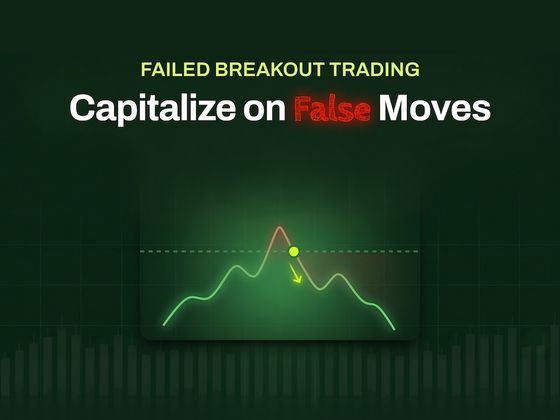
Failed Breakout Trading: How to Capitalize on False Moves
What a failed (false) breakout is, why breakouts fail, a checklist for spotting one, and how to trade it only after the market confirms the failure.

How to Build a High-Probability Watchlist in 10 Minutes
This guide gives you a repeatable, 10-minute process to build a focused, high-probability watchlist before the bell rings, so you're executing a plan instead of reacting to nois

After-Hours Trading: Opportunities and Risks Explained
How after-hours trading works: session times, thinner order books, wider spreads, when trading outside regular hours makes sense, and how to protect yourself.
Best Day Trading Books (2026): 12 Picks by Skill Level
Twelve day trading books sorted from beginner to advanced, each with its current edition, year and publisher, plus who it's for, what to take from it and who can skip it. Start with Turner, Logue or Aziz, then Douglas and Elder.
Kev’s watchlist lands the night before
The articles explain the method. The room puts it to work: the nightly watchlist lands at 5 PM ET with the levels Kev cares about, then he trades the open live from 8 to 11 AM ET.
Free for 7 days, then $197 a month. Cancel anytime.
An example morning in the room. Illustrative, not a record of a real trade.
Page 11 of 15 · 179 articles
Every column on the scanner is a term in the glossary. Gap, relative volume and float, read the way Kev reads them at the open.
An example morning in the room. Illustrative, not a record of a real trade.
The words on the scanner, in plain English
A plain-English day trading glossary: moving average, VWAP, relative volume, Level 2, order types, float, short interest, hard-to-borrow, gap up, and penny stocks, each with a full guide and a trader's take.
- Gap upA gap up is when a stock opens above the prior day's close.
- Relative volumeRVOLRelative volume (RVOL) compares a stock's volume today to its usual volume.
- Level 2Level 2 is the order book, showing the buy and sell orders stacked at each price beyond the best bid and ask.
- Hard to borrowHTBA hard-to-borrow (HTB) stock is one a broker struggles to source shares of for short sellers.
- Penny stocksPenny stocks are low-priced shares of small companies, usually under $5.
- Margin tradingMargin trading means borrowing from your broker to buy more stock, using your account as collateral.
Your first week
in the room is free
The live stream, the watchlists, the scanner and the journal, with Kev at the open every morning.
Free for 7 days, then $197 a month. Cancel anytime.
An example morning in the room. Illustrative, not a record of a real trade.