The day trading blog
Kevin Cabana writes about small-cap momentum day trading: the setups he trades, the risk rules he follows and what happens in the live room each morning.
Free for 7 days, then $197 a month. Cancel anytime.
Education only, not investment advice. Trading involves substantial risk of loss.
Latest articles
New guides, setups and trade breakdowns from Kevin Cabana, newest first.
February
2026
Mastering the Opening Range: ORB Strategies That Actually Work
We've tested ORB across thousands of live sessions, and what works isn't what most courses teach. This guide shows you the exact ruleset, filters, and risk controls that separate disciplined ORB trading from blown accounts.
How to Build Trading Confidence as a New Day Trader
Confidence that lasts comes from your journal: how often you followed your own rules. How to build it from the simulator to live trading, and how to spot when it turns into overconfidence.

What Every New Trader Should Focus On (But Rarely Does)
Most new traders don't blow up because the market is rigged or they picked the wrong stock. They lose because they repeat the same process errors: mistakes that look random in the moment but follow predictable patterns when you zoom out.
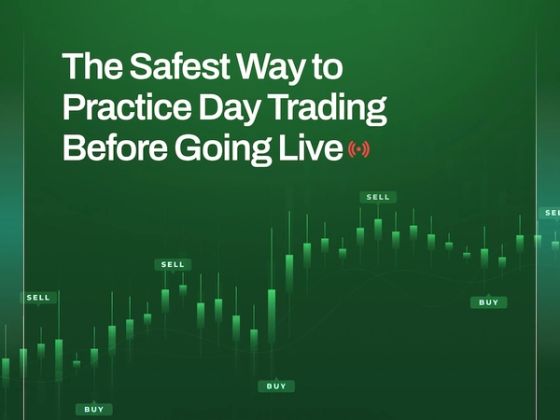
The Safest Way to Practice Day Trading Before Going Live
This guide shows you how to practice day trading the right way: with concrete thresholds, measurable standards, and a phased rollout that protects your capital while you learn.
How to Avoid Blowing Up Your First Trading Account
The survival rules I'd give any first account: two numbers set before the open, the losing-streak and recovery math, margin after the PDT change, and a printable checklist.

The Most Common Beginner Myths About Day Trading
This article breaks down the seven myths that destroy trading accounts and gives you the exact rules professionals use to survive.

How to Read Candlestick Charts: Patterns for Day Trading
How to read a candlestick chart, the patterns worth learning for day trading, what Bulkowski's testing says about their reliability, and the context rules that matter more than the shape.

How to Pick Your First Trading Strategy (Without Confusion)
Stop strategy-hopping. Learn how to choose your first trading strategy based on your schedule, personality, and skill level - and commit long enough to see results.
Kev’s watchlist lands the night before
The articles explain the method. The room puts it to work: the nightly watchlist lands at 5 PM ET with the levels Kev cares about, then he trades the open live from 8 to 11 AM ET.
Free for 7 days, then $197 a month. Cancel anytime.
An example morning in the room. Illustrative, not a record of a real trade.
January
2026
The Beginner's Guide to Risk Management (Simple & Effective)
Risk management is the difference between surviving and blowing up. This beginner-friendly guide shows exactly how pros protect capital - simple, effective, no fluff.

Trading Patience: The Skill That Separates Pros From Amateurs
Learn why patience is the ultimate trading edge. Discover how professional traders cultivate patience, wait for setups, and win through discipline.

Why Consistency Beats "Homerun" Trades Every Time
Learn why consistent singles beat homerun swings in trading. Discover how pros think about small, repeatable wins, not lottery tickets.

The Emotional Traps Every Trader Must Overcome
Learn the 7 emotional traps that sabotage traders - fear, greed, hope, revenge, and more. Discover how pros neutralize emotion and trade with clarity.
Page 12 of 15 · 179 articles
Every column on the scanner is a term in the glossary. Gap, relative volume and float, read the way Kev reads them at the open.
An example morning in the room. Illustrative, not a record of a real trade.
The words on the scanner, in plain English
A plain-English day trading glossary: moving average, VWAP, relative volume, Level 2, order types, float, short interest, hard-to-borrow, gap up, and penny stocks, each with a full guide and a trader's take.
- Gap upA gap up is when a stock opens above the prior day's close.
- Relative volumeRVOLRelative volume (RVOL) compares a stock's volume today to its usual volume.
- Level 2Level 2 is the order book, showing the buy and sell orders stacked at each price beyond the best bid and ask.
- Hard to borrowHTBA hard-to-borrow (HTB) stock is one a broker struggles to source shares of for short sellers.
- Penny stocksPenny stocks are low-priced shares of small companies, usually under $5.
- Margin tradingMargin trading means borrowing from your broker to buy more stock, using your account as collateral.
Your first week
in the room is free
The live stream, the watchlists, the scanner and the journal, with Kev at the open every morning.
Free for 7 days, then $197 a month. Cancel anytime.
An example morning in the room. Illustrative, not a record of a real trade.